
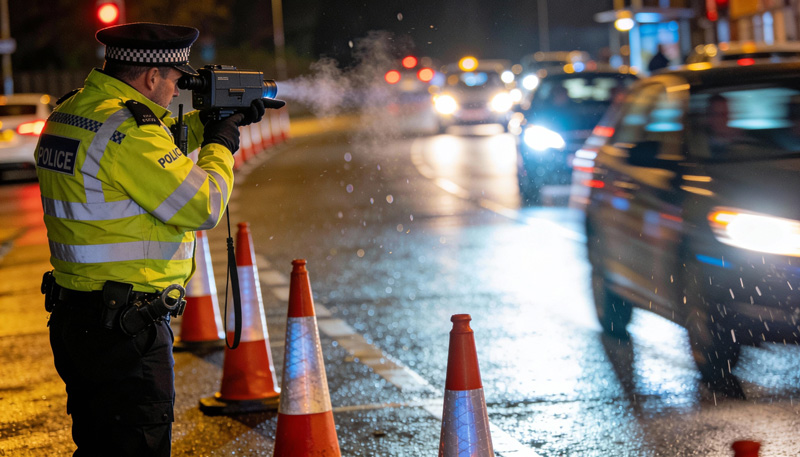
For many residents in Monmouthshire, speed is a common complaint. For those living in built up areas, it can be a daily annoyance with vehicles ignoring speed limits and potentially causing injury to pedestrians or other road users.
Speed limits are an in place attempt to control traffic speeds, reduce negative environmental effects of traffic, increase fuel use efficiency and satisfy local community wishes.
Speed limits are there as a maximum speed on a road and are not a target to aim for.
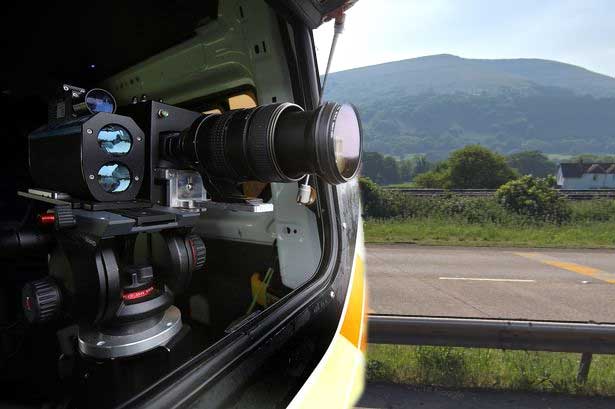
Throughout, Monmouthshire there are a number of regular speed checks using mobile units that are deployed to help encourage safe driving on our roads.
Mobile enforcement sites change regularly but the following are locations where camera vans are often deployed in Monmouthshire
A465 – Pandy Village / Offa’s Tavern to Rhos Gwyn
A4077 – Crickhowell Road, Gilwern
A40 – Brecon Road / Neville Hall, Abergavenny
A40 – Monmouth Road, Abergavenny
B4245 – Magor & Caldicot Bypass
C136 – Chepstow Road / Sandy Lane, Caldicot
A48 – Caerwent (30 mph section)
A466 – St Lawrence Road, Chepstow
A466 – St Arvans to Livox bends
B4293 – Devauden / Llanishen
A472 – Little Mill (30 mph)
B4598 – Porthycarne Street / Abergavenny Road
Monmouth Road, Usk
Dixton Road, Monmouth
A466 – Redbrook Road & Hereford Road, Monmouth
B4269 – Llanellen
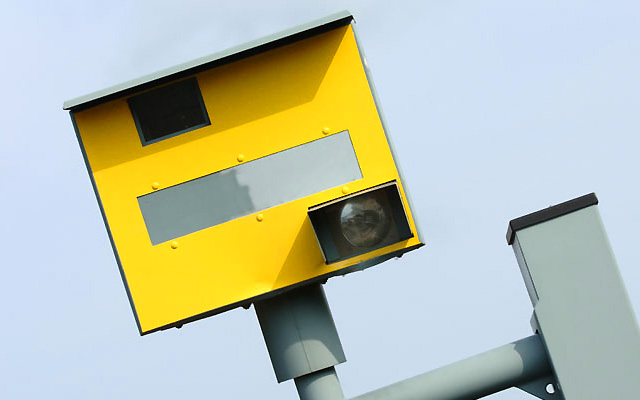
If a camera catches you speeding, within 14 days the police must send you a Notice of Intended Prosecution (NIP) and a Section 172 form, which you must return within 28 days telling authorities who was driving. If you ignore this, the case is usually referred to court.
The typical penalty is a £100 fine and 3 penalty points on your driving licence if you accept the fixed penalty option.
Yes, you may be offered a speed awareness course instead of points and a fine if your offence is minor, you have not done a course in the past three years, and the police decide it is appropriate.
If you complete a speed awareness course you avoid penalty points and do not pay the fine, though you pay the course fee. Courses are educational sessions meant to improve driving behaviour.
You can normally only take one course once every three years.
If you are a new driver within two years of passing, reaching 6 penalty points leads to your licence being revoked and you must reapply for a provisional licence and pass a new test.
Penalty points normally stay on your licence for four years from the date of the offence.
Yes. If you accrue 12 penalty points within three years you can be disqualified from driving.
Serious cases may be sent to court, where fines can be higher and penalty points greater. In court, fines are usually calculated as a percentage of your weekly income with maximum fines of £1,000 on normal roads and £2,500 on motorways.
Yes. In court, speeding offences are grouped into bands based on how far over the limit you were. Band A is for minor excess speed and usually carries at least 3 points, while Band B and C impose higher points, larger fines, and possible driving bans from 7 to 56 days.
No. The course is offered at the police’s discretion, not automatically. It depends on how much you were over the limit and your previous course history.
Failing to reply to the Section 172 notice within 28 days typically results in the matter being referred to court, which can lead to harsher penalties.
You can contest the notice or take the case to court and argue your defence, but this can lead to more serious penalties if your defence fails. It is usually advisable to consult a qualified solicitor.
There is no legal tolerance above the speed limit. Some forces may use internal guidance like “10 per cent plus 2 mph” for enforcement discretion, but this is not a legal rule, and you can be prosecuted for any amount over the limit.
The police normally send the NIP within 14 days of the offence.
This information is intended as a general guide and should not be taken as legal advice.